Early Life
Legacy
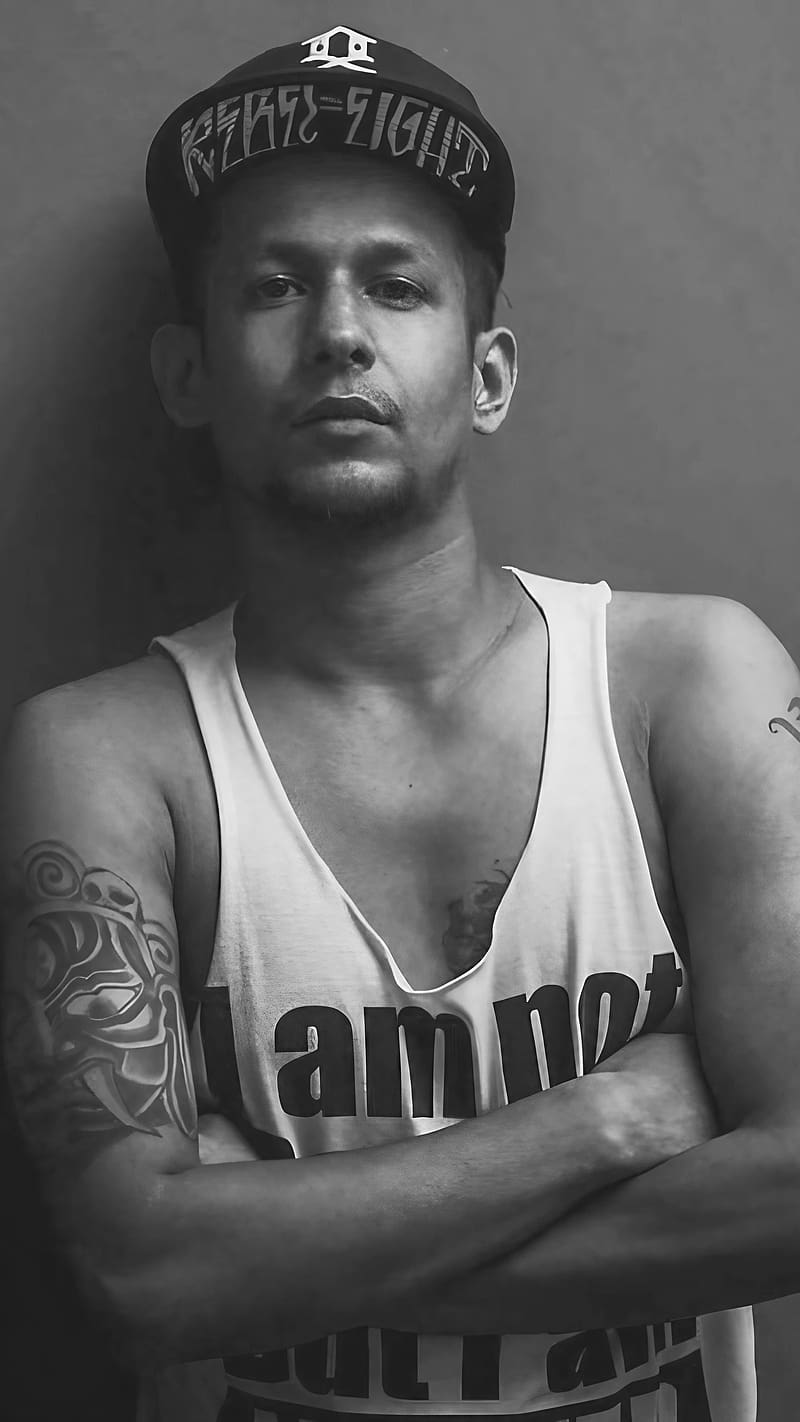
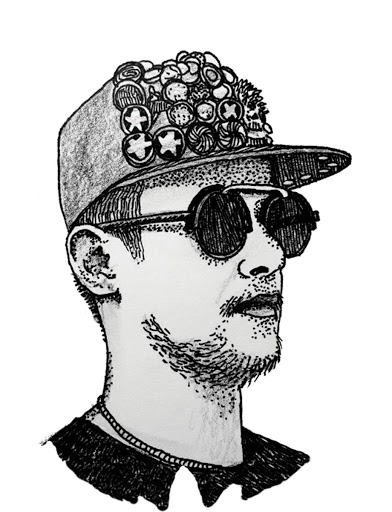
Anil Adhikari was born on May 30, 1987, in Sundarharaicha, a small town in the Morang district of eastern Nepal. He grew up in a modest family, surrounded by the sounds of rural Nepal — yet something inside him always reached further. As a teenager, he discovered hip-hop and felt, for the first time, that music could say everything words alone could not. He began writing. He began recording. He began becoming Yama Buddha.
Journey & Impact
About Yama
Yama Buddha’s journey reshaped Nepali hip-hop, blending raw stories with heartfelt beats that still echo today.Anil Adhikari — the world knew him as Yama Buddha. Born on May 30, 1987, in the quiet town of Sundarharaicha in eastern Nepal, nobody could have predicted that this boy would one day carry an entire nation’s voice on his shoulders.
He grew up in Nepal, dreaming in Nepali, thinking in Nepali. When he moved to London, United Kingdom, he carried that language with him like a weapon. While the world told him rap belonged to English, he refused. He rapped in his mother tongue — raw, honest, unfiltered — and in doing so, he built something no one had built before. He became the father of Nephop. The King of Nepali hip-hop.
His lyrics were never just words. They were confession. They were protest. They were love letters written to a homeland he missed with every breath. He sang for the workers who left Nepal to survive. He sang for the youth who felt invisible. He sang for everyone who had ever felt caught between two worlds — belonging fully to neither, yet carrying both.
From London to Kathmandu, his voice crossed borders that visas couldn’t. Fans memorized his lines the way others memorize prayers.
On January 14, 2017, Yama Buddha passed away in Ruislip, United Kingdom. He was just 29 years old.
Nepal went quiet that day. Then it wept. Then it played his music — because that was the only way to feel close to him again.
He is gone. But Nephop breathes because of him. Every young Nepali who picks up a mic and raps in their own language is carrying a piece of Yama Buddha forward.
The King never truly dies.
His StoryYama Buddha didn’t just make music — he built a movement. Before him, rapping in Nepali was unthinkable. After him, it became a generation’s voice. He proved that your mother tongue is never a limitation — it is your greatest strength. Today, every Nephop artist who steps on stage carries his blueprint. His legacy is not a memory. It is a living, breathing culture.
His VoiceHis voice reached Nepalis everywhere — in Kathmandu, in London, in Qatar, in Korea. Migrant workers played his songs in foreign lands to feel home. Students played his songs to feel understood. He didn’t just rap about Nepal — he rapped for Nepal. The impact of Yama Buddha cannot be measured in streams or views. It is measured in the tears of a generation that finally felt seen.
Born Anil Adhikari, Yama Buddha grew up in Kathmandu, where his love for hip-hop sparked during his teenage years.His journey took him from the dusty streets of Sundarharaicha to the cold pavements of London. In the UK, he found the Nepali diaspora — thousands of young people lost between two cultures, hungry for something that felt like home. His music became that home. Every song he released spread like wildfire through WhatsApp groups, YouTube, and late-night listening sessions in foreign lands.